Insurance on financed equipment, explained
Financing equipment and insuring it are two separate agreements, with two separate parties who both care about the outcome.
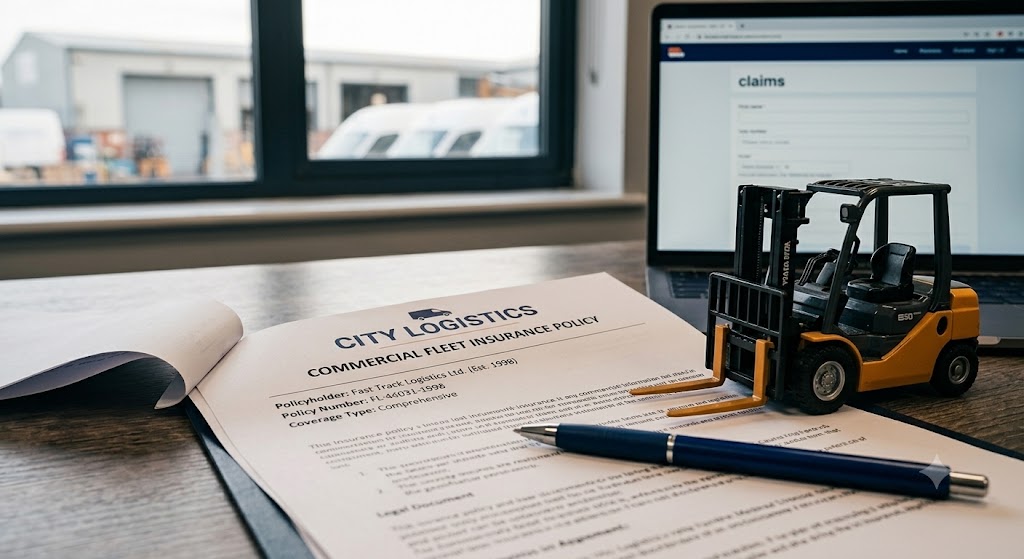
Two agreements, not one
It's easy to assume that financing equipment automatically means it's insured — it doesn't. A finance agreement and an insurance policy are arranged separately, usually with two different providers, and one doesn't automatically include the other.
What finance agreements commonly do include is a requirement that the equipment remains insured for the term of the agreement. The financier has a registered interest in the asset, and wants to know that if something happens to it, there's a policy in place to address that — for their position as much as the business's.
What happens if the equipment isn't insured
Most finance agreements treat a lapse in required insurance as a breach of the agreement, separate from whether repayments are being made on time. If equipment is damaged, lost or stolen and there's no insurance in place, the finance obligation generally continues regardless — the business can be left repaying for equipment it no longer has the use of.
A reasonable approach
Arranging insurance at the same time as finance, rather than as an afterthought once the equipment has arrived, avoids the gap where equipment is owned or in use but not yet covered. It's also a natural point to check that the cover in place actually matches what the finance agreement requires, rather than discovering a mismatch later.