Chattel mortgage vs hire purchase vs operating lease
Three common equipment finance structures, and the one question that tends to separate them.
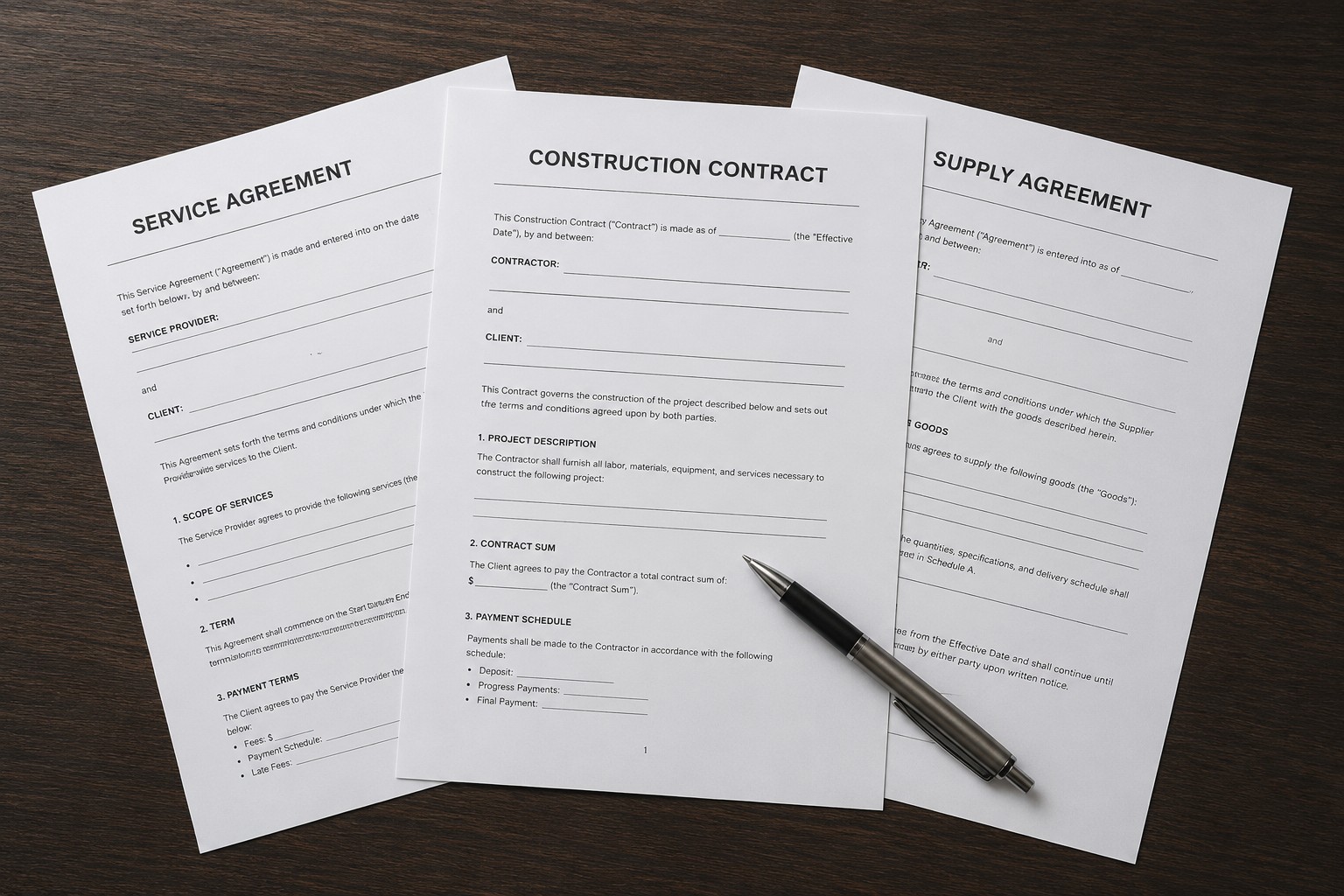
Start with one question: who owns it, and when?
Most of the practical differences between these three structures come back to a single question — at what point does the business actually own the equipment, if at all.
With a chattel mortgage, the business owns the equipment from settlement, and the lender holds a registered security interest until the loan is repaid. With hire purchase, the financier owns the equipment during the term, and ownership transfers to the business once the agreement is completed. With an operating lease or rental, the financier retains ownership for the life of the agreement, and the business simply pays for the use of the equipment — there's often no path to ownership built in at all.
Why this matters beyond the paperwork
Ownership timing affects how the asset shows up on a business's books, how depreciation is generally treated, and what happens at the end of the term. A chattel mortgage tends to suit equipment a business plans to keep for years. An operating lease tends to suit equipment that's likely to be replaced or upgraded before it's fully depreciated — computers and some vehicles are common examples. Hire purchase sits between the two: predictable payments, with ownership arriving at the end rather than the start.
A simple way to think about it
If the plan is to keep the equipment long-term and the business wants to own it outright as soon as possible, a chattel mortgage is usually the starting point for the conversation. If predictable fixed payments matter more than early ownership, hire purchase is often considered. If the equipment is the kind of thing that's usually upgraded every few years, an operating lease is generally worth comparing against the other two before committing either way.